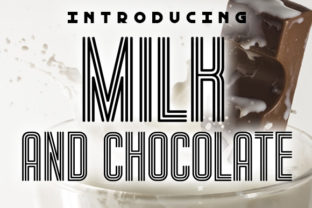
Milk and Chocolate: A Timeless Pairing That Still Delivers
There’s something quietly magical about the way milk and chocolate come together—smooth, comforting, and deeply familiar. It’s not just a childhood memory or a late-night snack; it’s a functional, versatile, and culturally resilient combination that continues to evolve with our tastes, health priorities, and culinary creativity.
Why Milk and Chocolate Work So Well Together
The chemistry behind milk and chocolate is more than nostalgia—it’s science meeting sensation. Cocoa solids are naturally bitter and astringent. Milk proteins, especially casein, bind to tannins in cocoa, softening their bite. Lactose adds subtle sweetness without overwhelming, while milk fat carries flavor compounds, rounding out texture and mouthfeel. This synergy isn’t accidental—it’s why milk chocolate accounts for over 60% of global chocolate consumption.
But not all milk is equal in this pairing. Whole milk delivers richness and creaminess that skim or plant-based alternatives often struggle to replicate—not because they’re “worse,” but because their fat structure, protein profile, and sugar content shift the balance. For example, oat milk’s natural sweetness and creamy viscosity can mimic dairy well in hot chocolate, while almond milk’s thin body and mild nuttiness may recede too far into the background unless fortified or blended intentionally.
Milk and Chocolate in Everyday Life—Beyond the Mug
We tend to think of milk and chocolate as a drink—but its real utility shines across meals, snacks, and even cooking.
- Breakfast boost: A splash of cold milk over chocolate granola or cocoa-dusted Greek yogurt adds depth without added sugar.
- Baking foundation: Using warm milk instead of water in brownie or cake batter improves crumb structure and intensifies chocolate flavor—milk proteins help retain moisture and support gentle rise.
- Savory surprise: In Mexican mole poblano, a touch of evaporated milk tempers the heat of chiles and deepens the complexity of toasted chocolate—proof that milk and chocolate aren’t confined to dessert.
- On-the-go fuel: Chocolate milk remains one of the most studied post-workout recovery drinks—its 3:1 carb-to-protein ratio, electrolytes from milk, and antioxidants from cocoa make it both practical and effective.
This adaptability explains why milk and chocolate appear in school lunch programs, hospital nutrition plans, and athlete fueling protocols—not as indulgences, but as functional tools.
Choosing the Right Milk for Your Chocolate Moment
What you pair matters as much as how much. Here’s what to consider when selecting milk for your milk and chocolate experience:
Fat Content
Higher-fat milks (whole, 2%, or full-fat coconut) deliver smoother emulsions and richer mouthcoats—ideal for sipping hot chocolate or making ganache. Lower-fat options work fine in baking or smoothies where texture is less critical, but may yield a slightly “chalky” finish if overheated or under-stirred.
Processing Method
Ultra-pasteurized (UHT) milk lasts longer and froths well, but some find its cooked-note clashes subtly with high-cocoa chocolate. Pasteurized fresh milk tends to highlight delicate fruit or floral notes in single-origin bars—especially when used cold in chocolate shakes or affogatos.
Plant-Based Alternatives
When choosing non-dairy milk for milk and chocolate, look beyond sweetness. Soy milk has the highest protein content—closest to dairy—and creates stable foam. Cashew milk offers neutral flavor and silky texture. Pea protein milks are gaining ground for their clean taste and functional performance in heated applications. Just avoid heavily flavored or sweetened versions unless you want that flavor to dominate.
Chocolate Matters—Too
You can’t talk about milk and chocolate without acknowledging that not all chocolate behaves the same way with milk. Mass-market milk chocolate contains added milk powder, sugar, and often vegetable fats—designed for consistency and shelf life, not nuance. Artisanal versions may use whole milk condensate or even fresh milk, resulting in deeper caramel notes and a more pronounced dairy presence.
If you’re experimenting at home, try these simple comparisons:
- Warm ½ cup whole milk with 1 oz 45% cocoa milk chocolate—stir until melted. Taste for balance.
- Repeat with 65% dark chocolate + 1 tsp honey and a splash of milk. Notice how the milk tempers bitterness without masking terroir.
- Blend cold oat milk, raw cacao powder, banana, and a pinch of sea salt. Observe how the milk’s starches and sugars interact differently than dairy.
These small tests reveal how milk and chocolate aren’t static—they respond to proportion, temperature, origin, and processing.
Health Considerations—Realistic, Not Restrictive
Questions about sugar, saturated fat, and dairy sensitivity often arise around milk and chocolate. The truth is nuanced. A standard 8-oz glass of chocolate milk made with 2% milk contains roughly 25 g of sugar—about half naturally occurring lactose, half added. That’s comparable to many fruit juices or flavored yogurts, yet it also delivers 8 g of high-quality protein, calcium, vitamin D, and potassium.
For those managing intake, small shifts make a difference: using unsweetened cocoa powder instead of syrup, opting for low-sugar or no-added-sugar chocolate bars, or choosing lactose-free milk without sacrificing nutritional value. And yes—dark chocolate with a splash of warm milk can be a satisfying, lower-sugar alternative to traditional hot cocoa.
How Milk and Chocolate Fit Into Modern Lifestyles
In today’s fast-paced world, milk and chocolate serve quieter, more intentional roles. They’re part of mindful morning rituals—a slow stir of cocoa into steamed milk before checking email. They’re built into meal-prep routines: chocolate-chia pudding made with almond milk, portioned for the week. They show up in wellness trends like “cacao ceremonies,” where ceremonial-grade cacao is whisked with warm oat or coconut milk—not for buzz, but for grounding presence.
They also reflect broader values: ethical sourcing (look for Fair Trade or direct-trade chocolate paired with regenerative dairy farms), sustainability (oat and pea milks with lower water footprints), and inclusivity (lactose-free, vegan, or allergen-conscious options that don’t compromise on satisfaction).
A Few Practical Tips to Get More From Milk and Chocolate
- Store chocolate properly: Keep it cool, dry, and away from strong odors—even brief exposure to garlic or coffee can taint its flavor when mixed with milk.
- Warm milk gently: Scalding destroys proteins and can cause separation. Heat to 140–155°F (60–68°C) for optimal solubility and foam.
- Grate, don’t chop: Finely grating chocolate before adding to warm milk speeds melting and prevents graininess.
- Try salt—just a pinch: A tiny amount of flaky sea salt lifts both the dairy sweetness and cocoa bitterness, making the pairing feel more layered and adult.
- Don’t overlook temperature contrast: A scoop of chocolate ice cream swirled into cold milk makes an instant, nostalgic float—no stove required.
Ultimately, milk and chocolate endures not because it’s perfect, but because it’s forgiving, flexible, and quietly nourishing. Whether you’re stirring a mug after a long day, packing a lunchbox, developing a new product, or simply relearning how to savor small pleasures—this pairing meets you where you are. And that’s why, decades after its first commercial iteration, milk and chocolate remains less of a treat and more of a trusted companion.