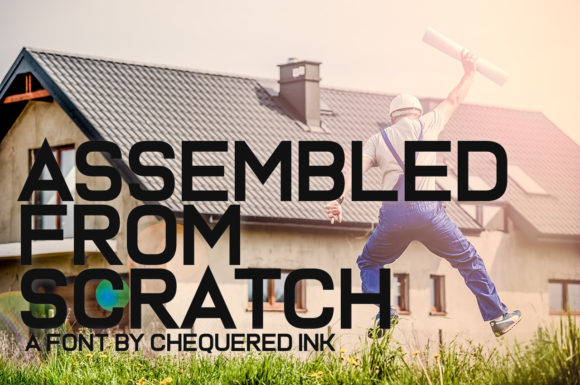
Assembled from Scratch
There’s power in starting with nothing but raw materials—no templates, no presets, no inherited structure. Assembled from Scratch isn’t just a phrase—it’s a creative stance. It means building something meaningful by intentionally choosing each component, connecting them with purpose, and shaping the whole through deliberate decisions—not default settings.
What “Assembled from Scratch” Really Means
It’s not about rejecting tools or efficiency. It’s about reclaiming agency over how things come together. When you assemble from scratch, you decide: What’s the core function? Who is this for—and what do they actually need, not just expect? Which elements serve that goal, and which are just noise?
This approach applies whether you’re designing a landing page, planning a workshop curriculum, writing a newsletter series, prototyping a product, or even organizing a community event. The “scratch” isn’t emptiness—it’s clarity. It’s the blank canvas where intention replaces assumption.
Creative Possibilities, Not Just Constraints
Starting from scratch opens space for thoughtful variation—not randomness. You can choose:
- Modular composition: Build reusable components (e.g., headline + visual + call-to-action blocks) that retain consistency while adapting to different messages or platforms.
- Constraint-led design: Define three non-negotiables first—like “must work offline,” “must fit in 90 seconds,” or “must require zero prior knowledge”—then build only what satisfies them.
- Progressive layering: Begin with a bare-bones version (text-only wireframe, script outline, sketch), then add layers—tone, interactivity, visuals—only when they improve clarity or connection.
Real Applications Across Roles
For educators and trainers: Instead of adapting a pre-packaged course, assemble a learning experience from scratch by mapping one real-world problem → one skill needed → one practice activity → one feedback method. A high-school science teacher built a climate unit this way—starting with local water quality data, then adding citizen science tools, student-led research questions, and presentation formats shaped by community stakeholders.
For freelancers and designers: Replace “portfolio pieces” with documented assembly processes. Show how you selected typography based on readability testing across devices, chose color contrast to meet WCAG 2.1 AA, and structured content hierarchy around user-scanning behavior—not aesthetic trends. Clients don’t buy style; they buy reasoning.
For bloggers and content creators: Assemble posts as intentional sequences—not isolated articles. One newsletter writer groups three related pieces into a “building block” series: What’s broken? (diagnostic), Why it matters here (contextual), and One thing you can adjust today (actionable). Each stands alone—but gains depth when read together.
For small business owners: Skip the “all-in-one” platform and assemble your digital presence piece by piece: a lightweight CMS for long-form content, a separate email tool optimized for segmentation, and a simple booking system that syncs via Zapier. You trade initial setup time for long-term control, lower bloat, and clearer metrics.
How to Keep It Clear, Consistent, and Useful
Assembling from scratch doesn’t mean reinventing every wheel. It means knowing which wheels to keep—and why.
- Anchor to outcomes, not aesthetics. Ask: “Does this element directly support the user’s next step?” If not, pause. Trim or replace—not decorate.
- Document your decisions—not just the result. Note why you chose a specific layout order, font pairing, or interaction pattern. This builds internal consistency and makes future updates faster and more confident.
- Test early with minimal fidelity. A hand-drawn flowchart, voice-recorded script, or plain-text prototype often reveals structural flaws before any code or design is written.
- Define reuse boundaries. Decide what *should* be consistent across projects (e.g., brand voice principles, accessibility standards) and what *should* vary (e.g., visual rhythm per audience, format per platform).
Style, Tone, and Platform Fit
“Assembled from scratch” doesn’t lock you into one look or voice—it invites alignment. A nonprofit assembling a donor campaign might use warm, grounded language and photo-driven storytelling on Instagram, but switch to concise, data-anchored bullet points in a PDF impact report. Same mission. Different assembly logic.
On LinkedIn, a freelancer might assemble a post using: one concrete result (“cut client onboarding time by 40%”), one short method (“replaced 7-step form with 3-field input + auto-confirmation”), and one open question (“What’s one step you’d remove from your current process?”). No jargon. No fluff. Just assembled utility.
Getting Started—Without Overwhelm
You don’t need to rebuild everything at once. Try one small, low-risk assembly:
- Redesign your email signature—not with new fonts or colors, but by reordering information: name → role → one clear action (“Book a 15-min consult”) → link. Remove everything else.
- Take one recurring meeting agenda and strip it to three parts: What we need to decide, What we’ll confirm, What moves forward after this. Add time estimates beside each.
- Reassemble your homepage headline. Draft five versions—each answering a different question: “What do you do?” / “Who is this for?” / “What changes when someone engages?” / “Why does it matter now?” / “What’s the first small step?” Then pick the one that best matches your current priority.
Why This Approach Endures
Trends fade. Templates age. Algorithms shift. But the ability to assess, select, connect, and refine remains valuable—across tools, platforms, and years. When you assemble from scratch, you’re not just making something. You’re practicing judgment, empathy, and clarity. You’re building muscle—not just output.
And that muscle transfers. The same discipline that helps you shape a compelling workshop outline also sharpens how you delegate tasks, explain a complex idea to a client, or prioritize features in a product roadmap. It’s not about perfection. It’s about intentionality you can trust—and replicate.
So the next time you face a blank document, empty folder, or unstructured challenge—pause before reaching for the familiar. Ask: What do I truly need to include? Why? And how do these pieces serve someone else’s understanding—or action? That’s where Assembled from Scratch begins—and where useful creativity takes root.